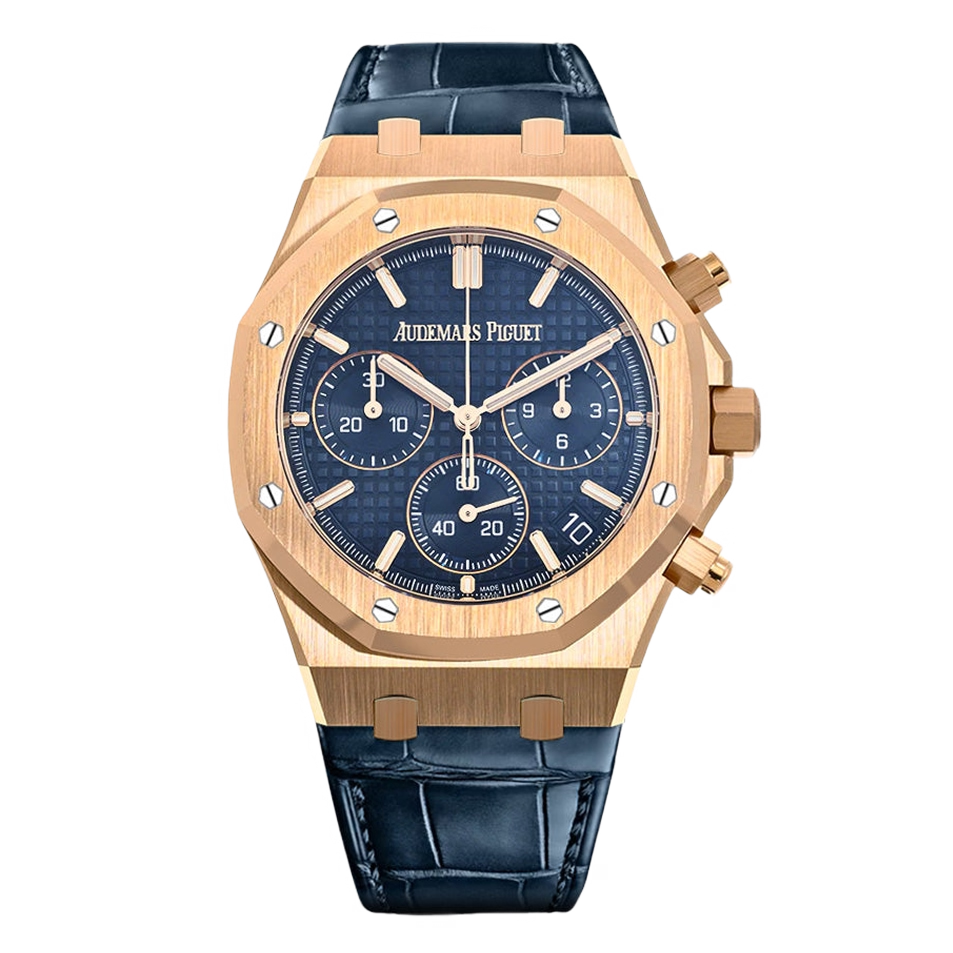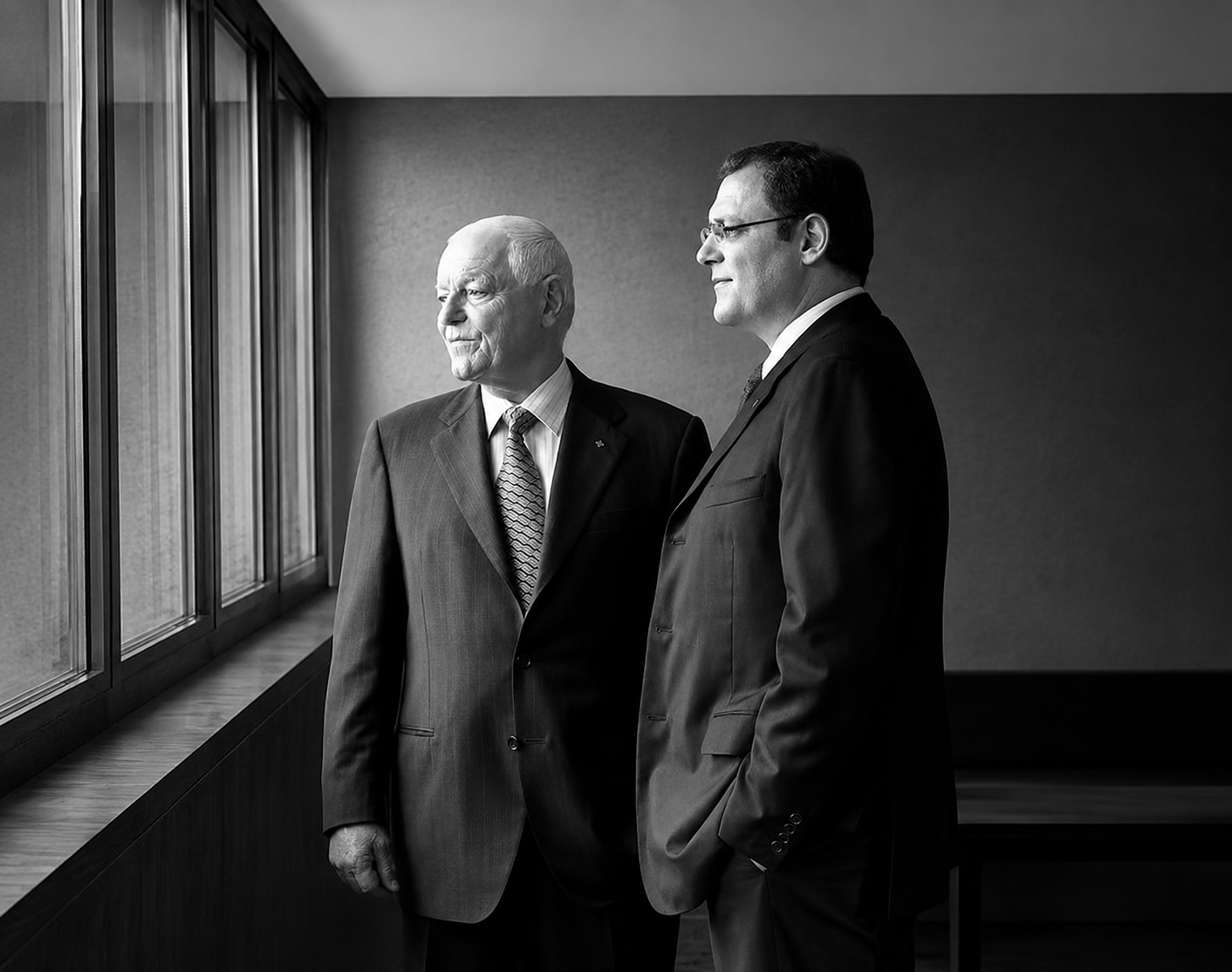
We would be amiss not to open such an essay with an ode to the recently departed Philippe Stern, an unmatched visionary who boldly doubled down on mechanical watchmaking and the preservation of rare handcrafts when he took the helm of Patek Philippe during the 1970s quartz crisis.
While much of the industry was pivoting to mass production and brand consolidation, we have him to thank for fiercely guarding the métiers d'art and independence of Patek Philippe.
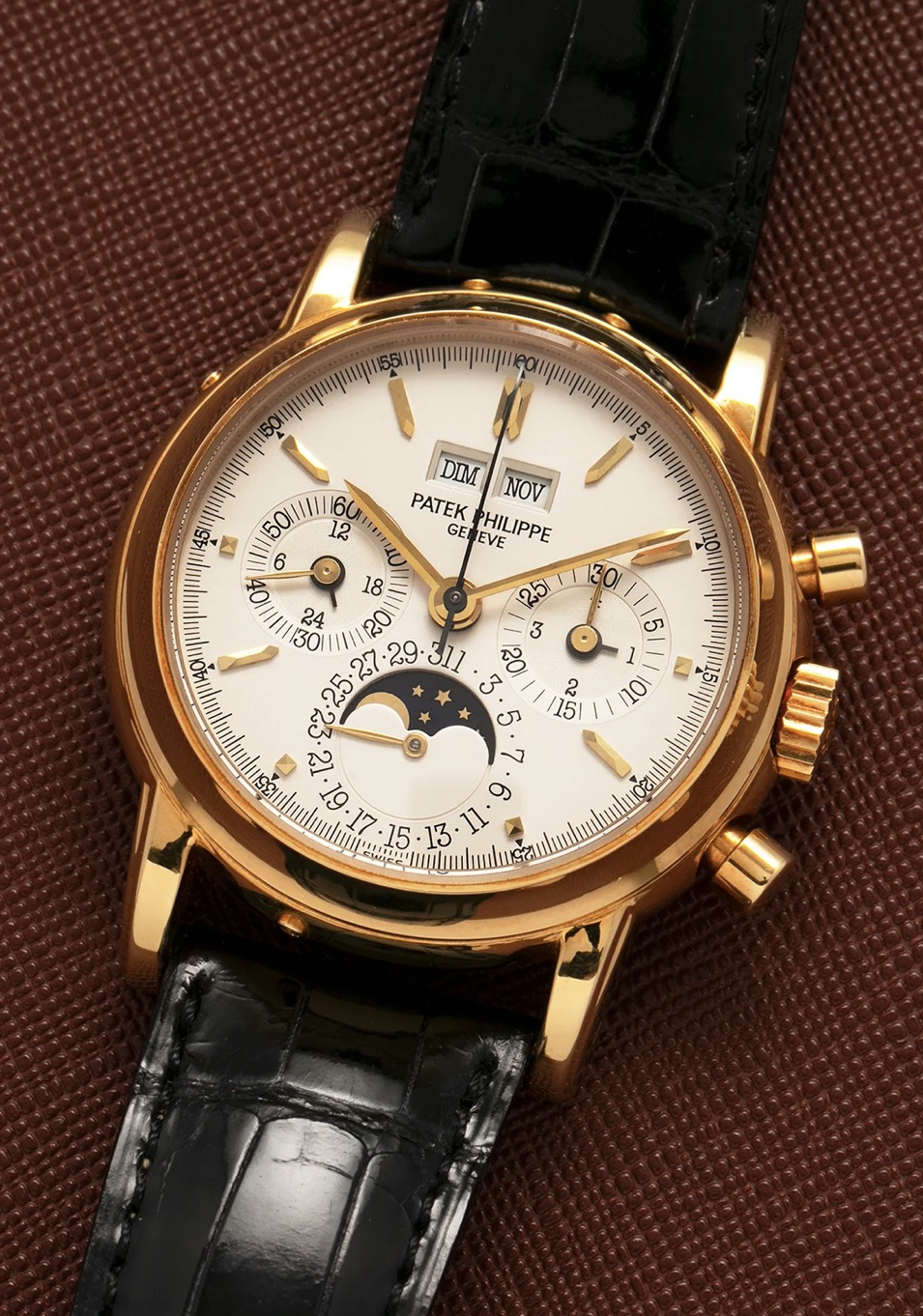
Since his passing on 14th June 2026, a certain discourse and generational divide has taken root in the watch community: the perceived superiority of the Philippe Stern era (1993–2009) over the contemporary tenure of his son, Thierry Stern (2009–present). In collector meetups and online forums, a trend has emerged.
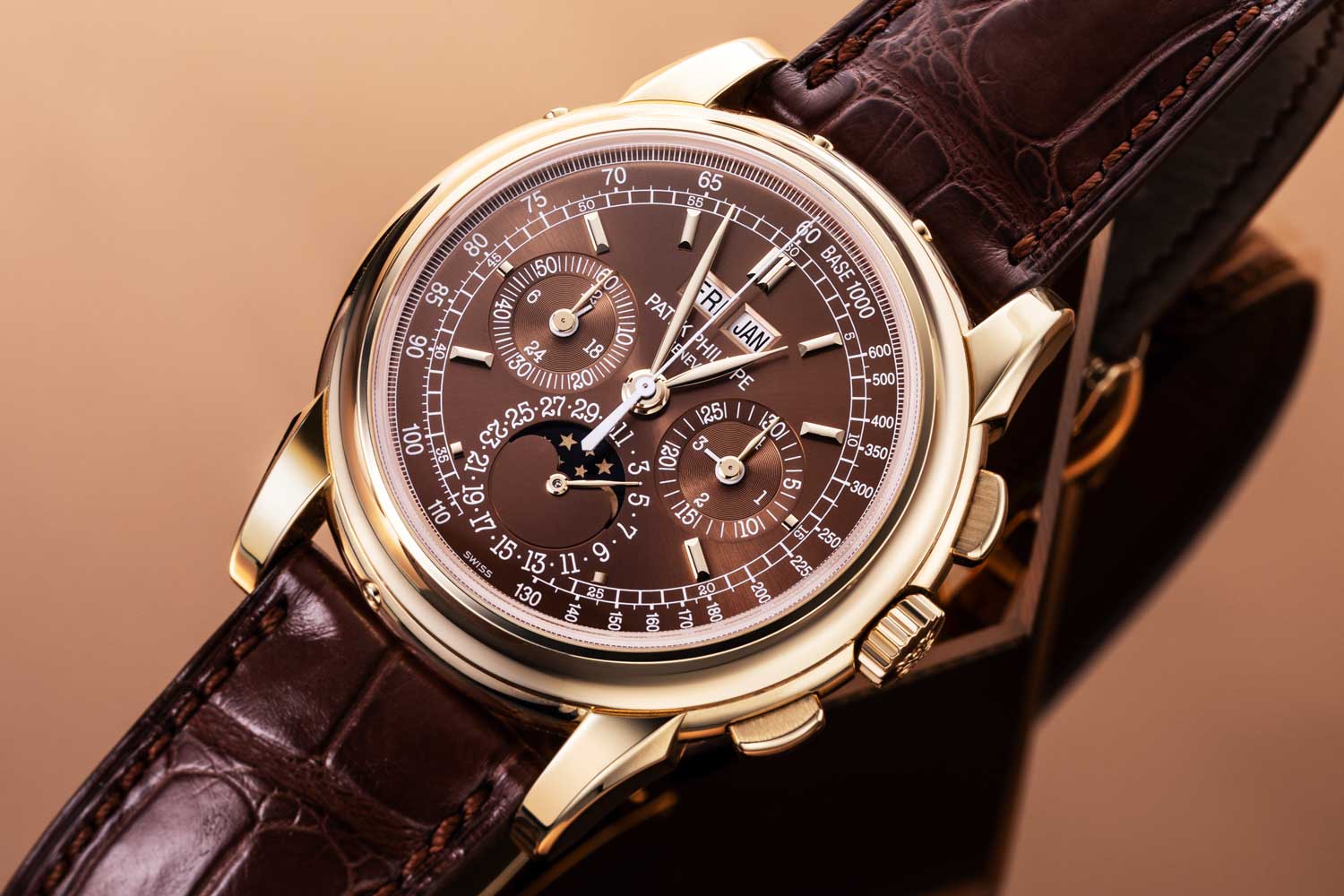
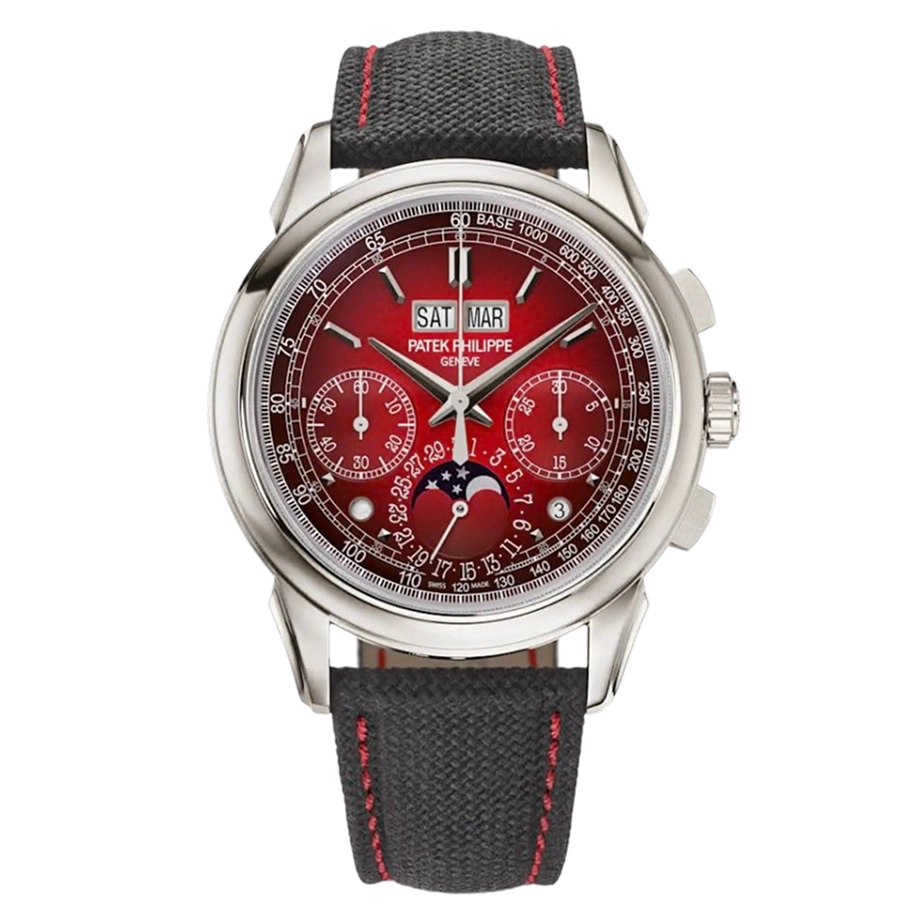
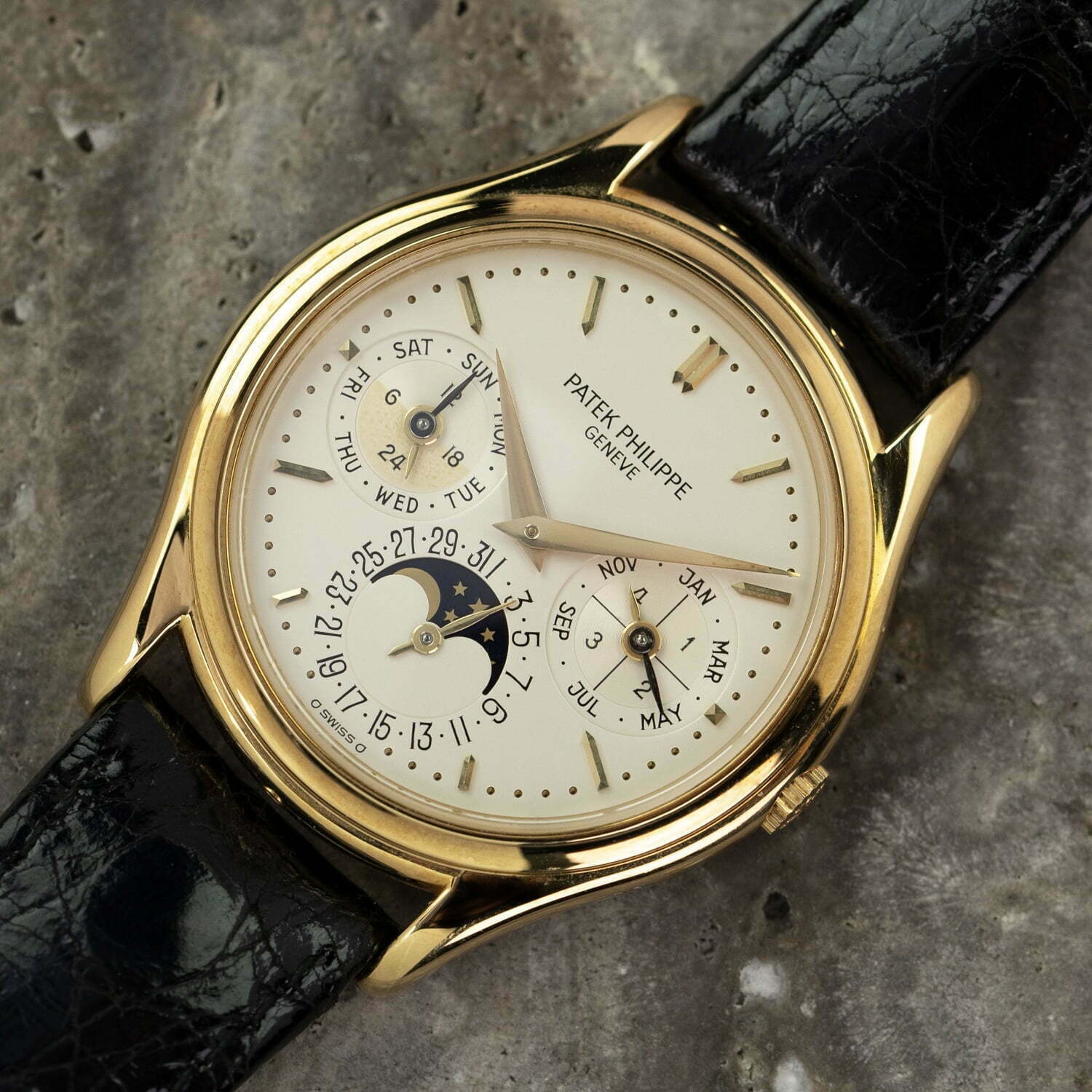
Heavyweight references from Philippe’s stewardship—such as the legendary Ref. 3940 perpetual calendar, the Ref. 3970, and the magnificent Ref. 5970—are experiencing strong appreciation and intense collector courtship. Meanwhile, some of Thierry’s catalogue centrepieces, particularly grand complications like the Ref. 5270 or Ref. 5204, have absorbed steep secondary market corrections, in some instances trading for up to 50% below their climbing retail MSRPs.
This phenomenon has driven some collectors to trade in their modern Thierry-era complications to fund the acquisition of his father's neo-vintage masterpieces. But does this divergence imply a dilution of the brand's horological integrity under current leadership, or is it merely a symptom of Patek Philippe's collision with 21st-century "hype culture"?
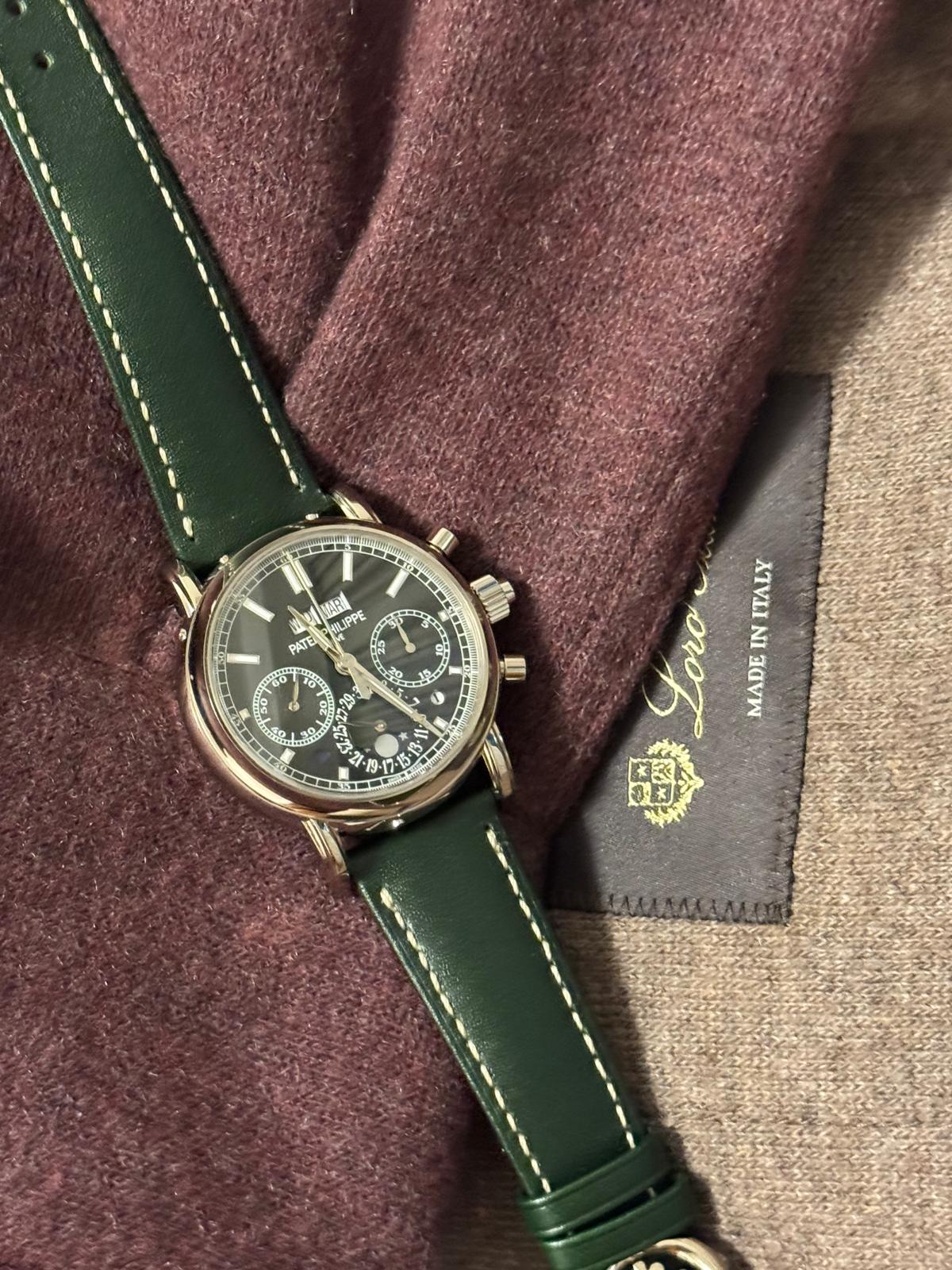
An objective analysis reveals that the Thierry Stern era is not a period of decline, but rather one of radical technical modernisation. From our perspective, the current market discount on these modern grand complications represents a profound undervaluation—one that sets the stage for an eventual and major cyclical comeback.
Hype, Proportions, and the Neo-Vintage Safe Haven
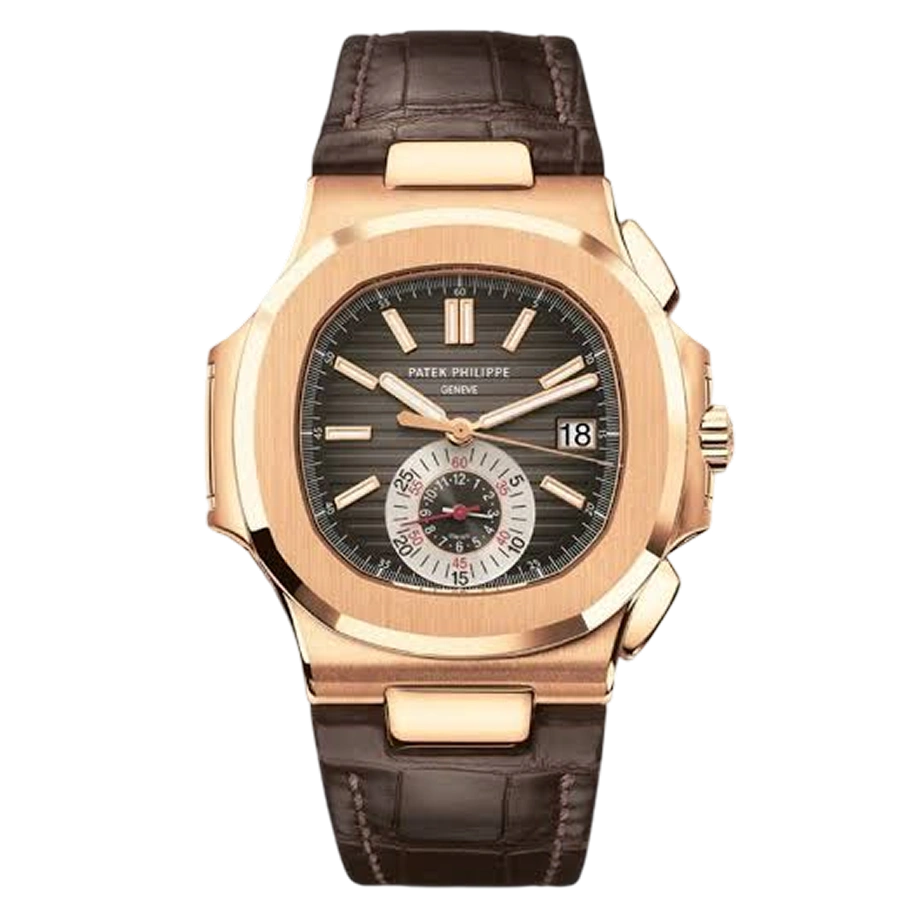
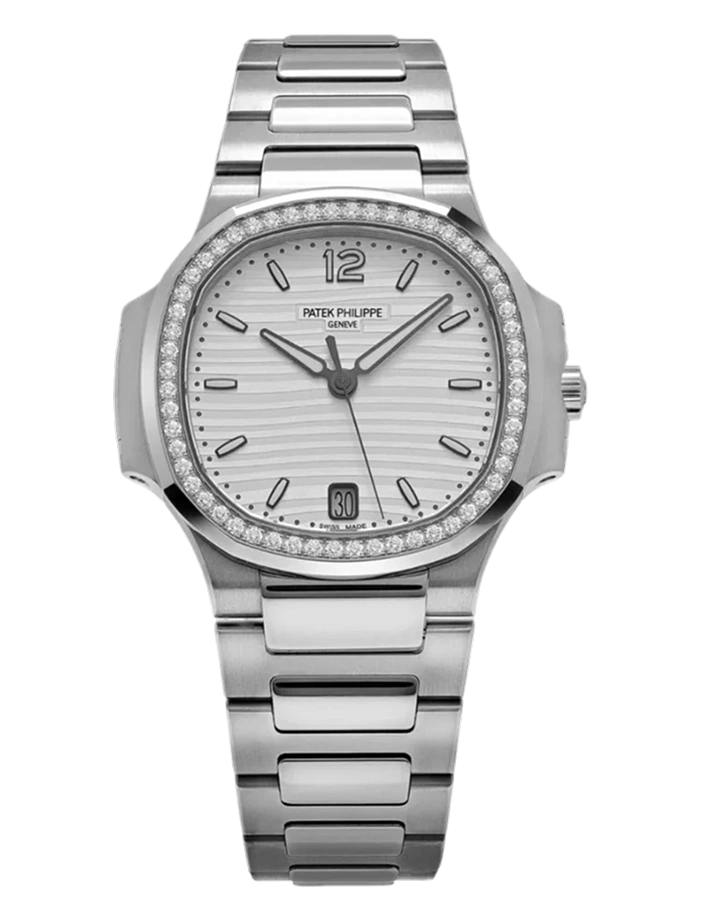
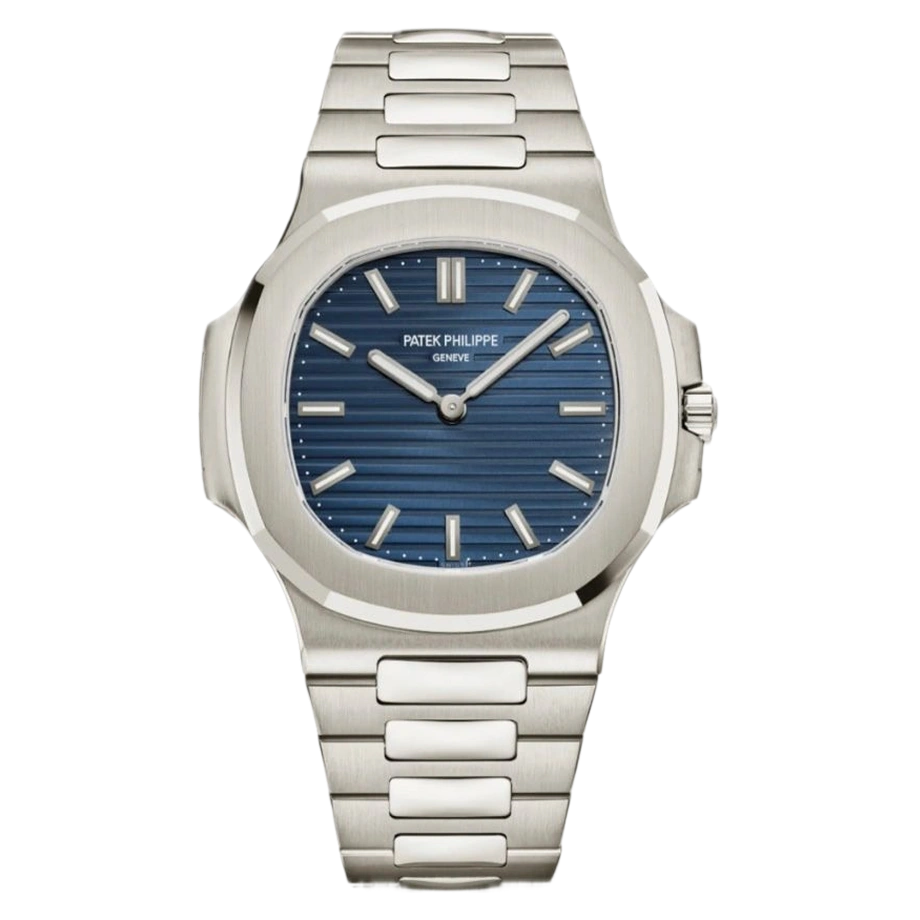
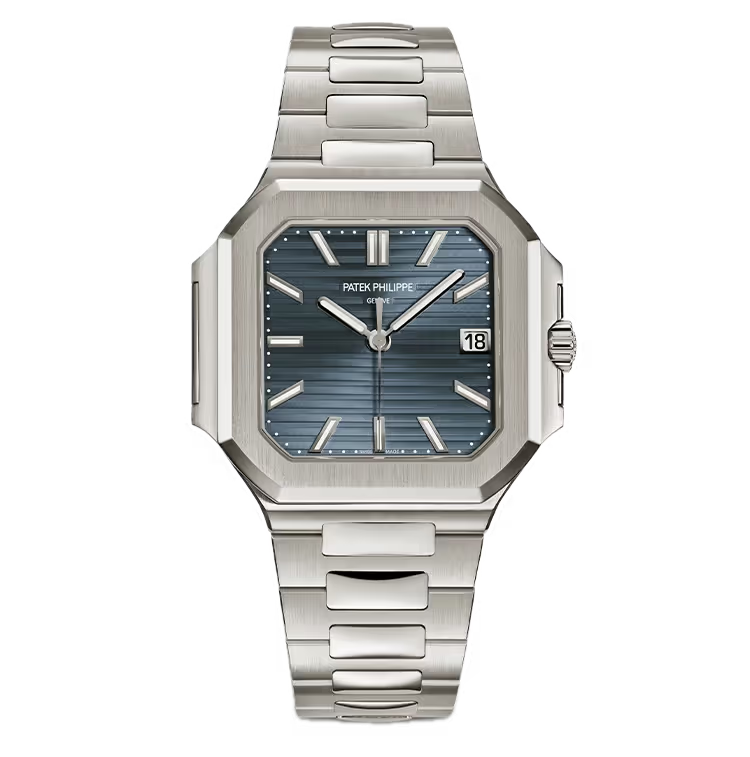
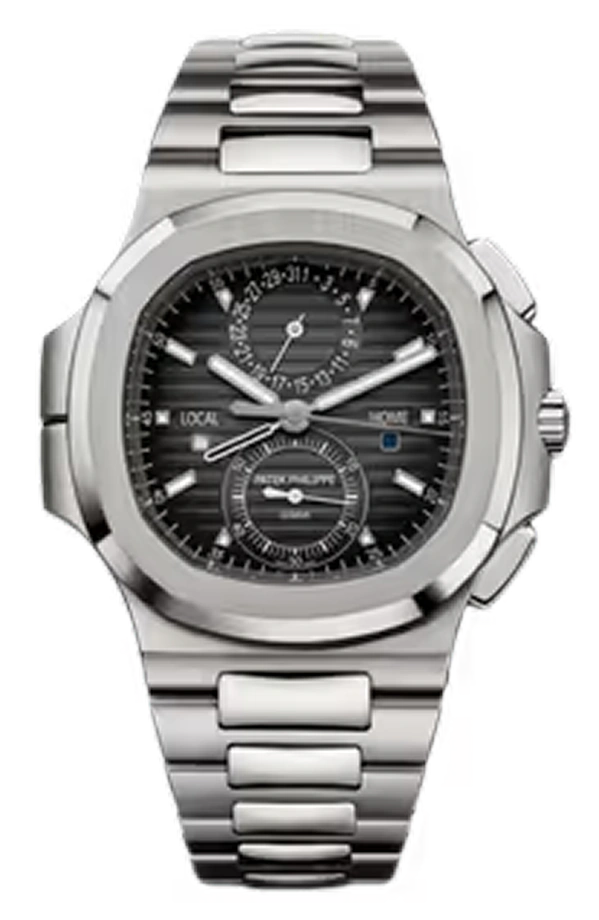
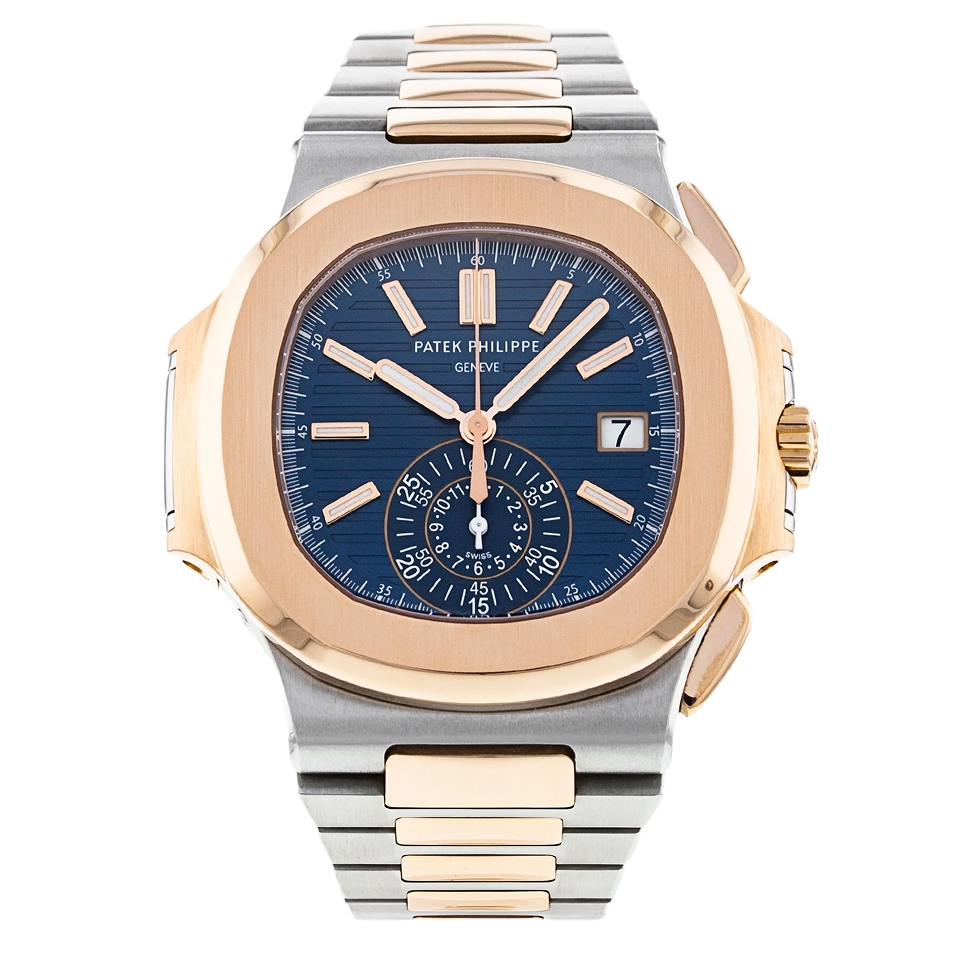
To understand why certain Thierry Stern-era grand complications are currently sitting in a market trough, one must examine the institutional volatility of the last decade. The mid-2010s to the early 2020s saw Patek Philippe inadvertently catapulted to the status of a premier 21st-century brand, which was recognised by the masses and not just horological connoisseurs. Driven by social media algorithms, celebrity curation, and a massive influx of speculative capital, global attention zeroed in almost exclusively on stainless steel sports watches—most notably the Nautilus Ref. 5711.
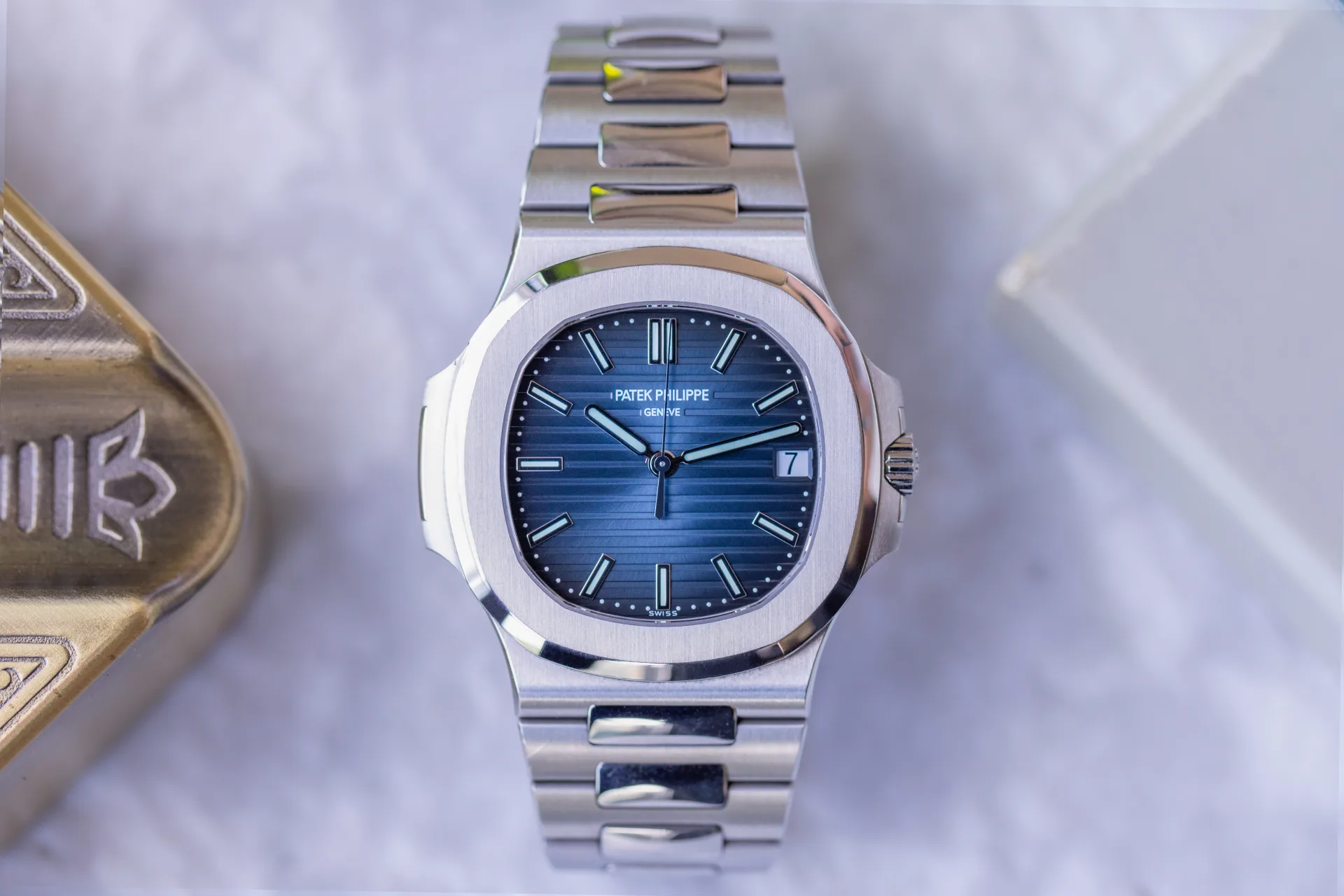
This "hype era" profoundly distorted the brand's broader identity. When speculative bubbles burst and secondary prices for sports watches corrected, traditional purists and institutional collectors sought a safe haven. They found it in the Neo-Vintage era of Philippe Stern.
Philippe’s era represents a very specific, romanticised ideal of the Patek Philippe brand:
- Classic Proportions: Timepieces were defined by constrained, traditional dimensions (e.g., the 36mm case of the Ref. 3940), which feel remarkably elegant compared to modern sizes.
- Lemania Movements: These watches relied heavily on highly modified, beautifully finished outsourced ebauches (like the Lemania 2310), which collectors view as the closing chapter of old-school, mid-century watchmaking tradition.
- Scarcity: Lower production numbers relative to the modern era naturally insulate these pieces from market saturation.
When Thierry Stern took the helm in 2009, he moved the brand in a fundamentally different direction. He championed larger, more assertive case profiles tailored to modern tastes (moving the flagship perpetual calendar chronograph up to 41mm with the Ref. 5270). Simultaneously, Patek aggressively escalated its retail prices. As a result, when these heavy, modern high-horology pieces hit the secondary market without the nostalgic armour of "neo-vintage" status, they faced competition with their own predecessors, causing the steep drops below retail that we see today.
The Case for Undervaluation: Thierry’s Technical Renaissance
The prevailing critique that Thierry’s era lacks the romance of his father’s tenure completely overlooks a critical fact: Thierry Stern has presided over one of the greatest mechanical renaissances in Patek Philippe’s history.
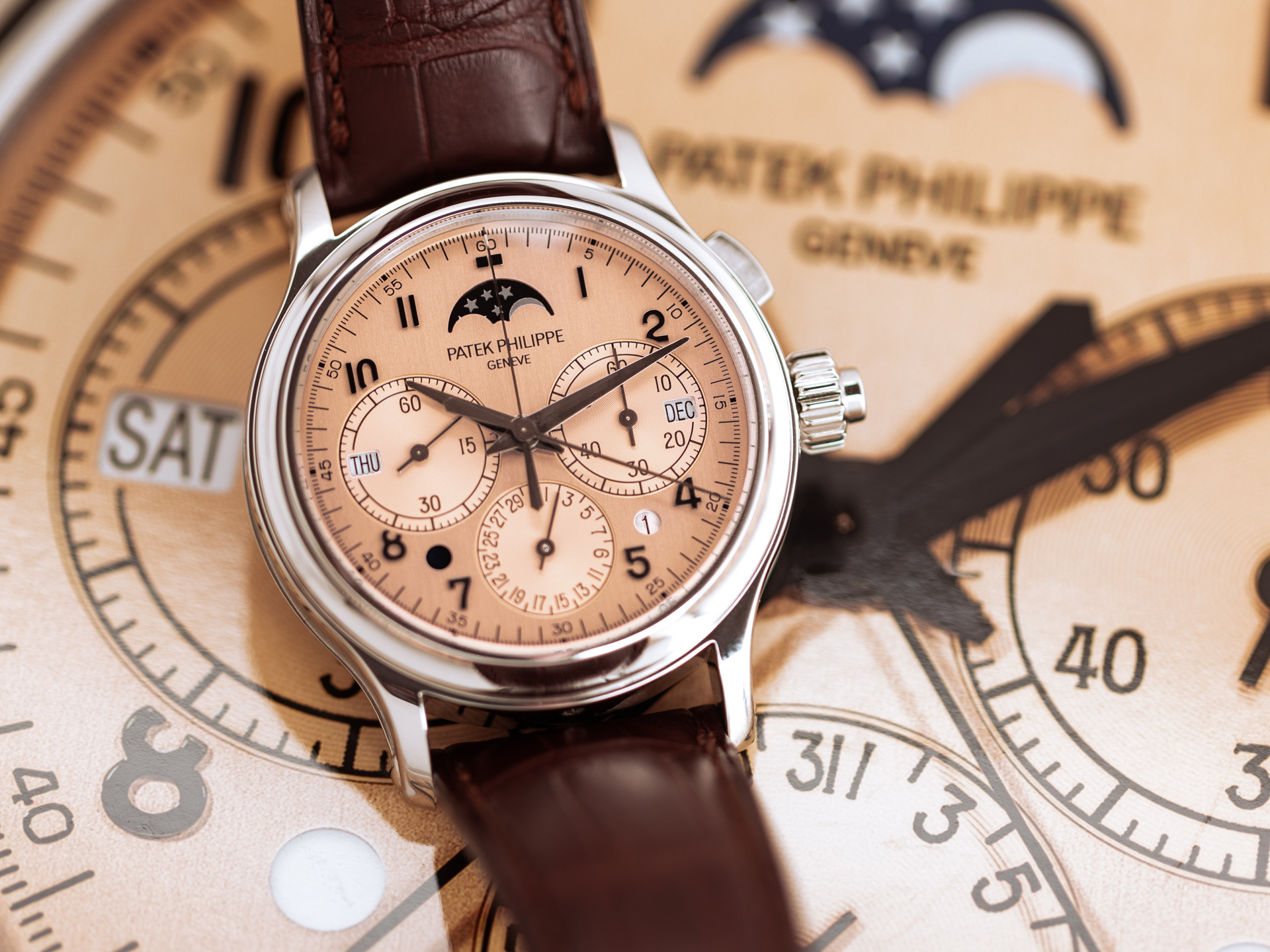
Under Thierry’s leadership, Patek Philippe successfully emancipated itself from third-party movements. The defining achievement of this era is the transition to fully in-house grand complication calibres. Consider the manual-wind Calibre CH 29-535 PS Q found inside the Ref. 5270. Where the Lemania-based movements of the past required eccentric, delicate adjustments, Thierry’s in-house architecture introduced modern, patented horological advancements:
- Optimised column-wheel tooth profiles.
- Synchronised driving wheels.
- Advanced self-setting humps for the chronograph hammers.
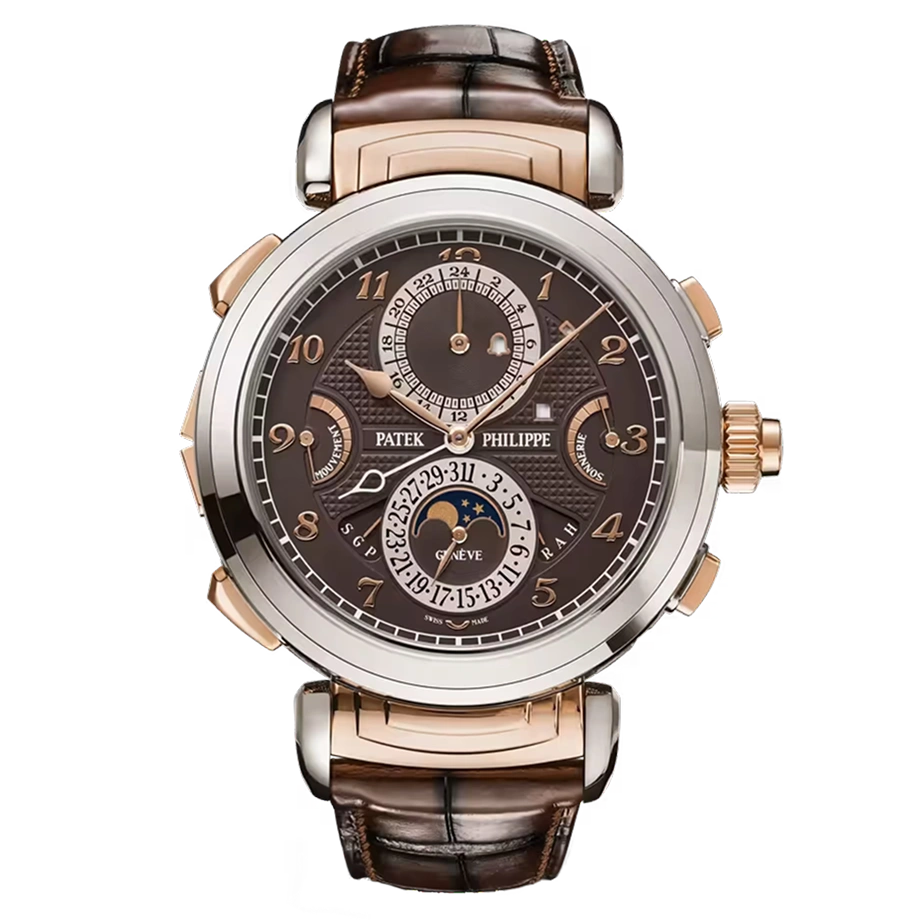
Ultimately, the Thierry Stern era pushed the boundaries of traditional complications with masterpieces like the Grand Complication Ref. 5372P Monopusher and the hyper-complex Grandmaster Chime Ref. 6300.
Crucially, this technical renaissance extends beyond the standard catalogue into Patek Philippe’s most secretive and forward-thinking division: the Advanced Research department. While initiated in the twilight of his father's tenure, it is under Thierry Stern that the department has truly matured, transitioning from experimental metallurgy to radical horological reality.
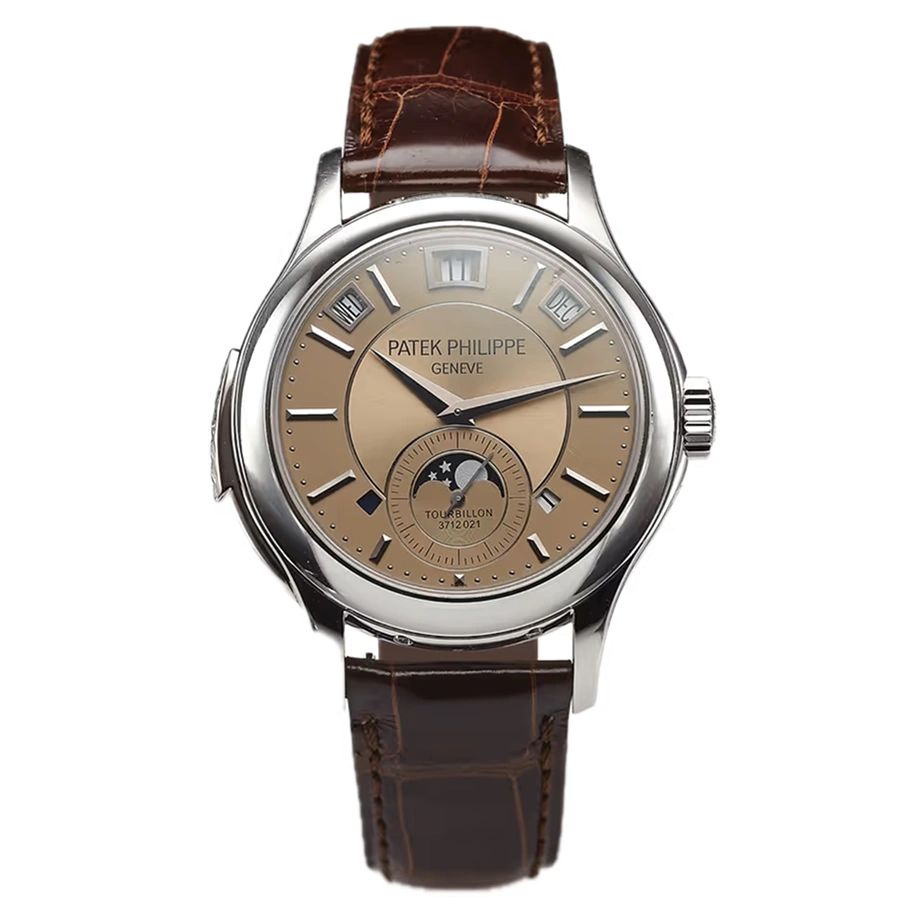
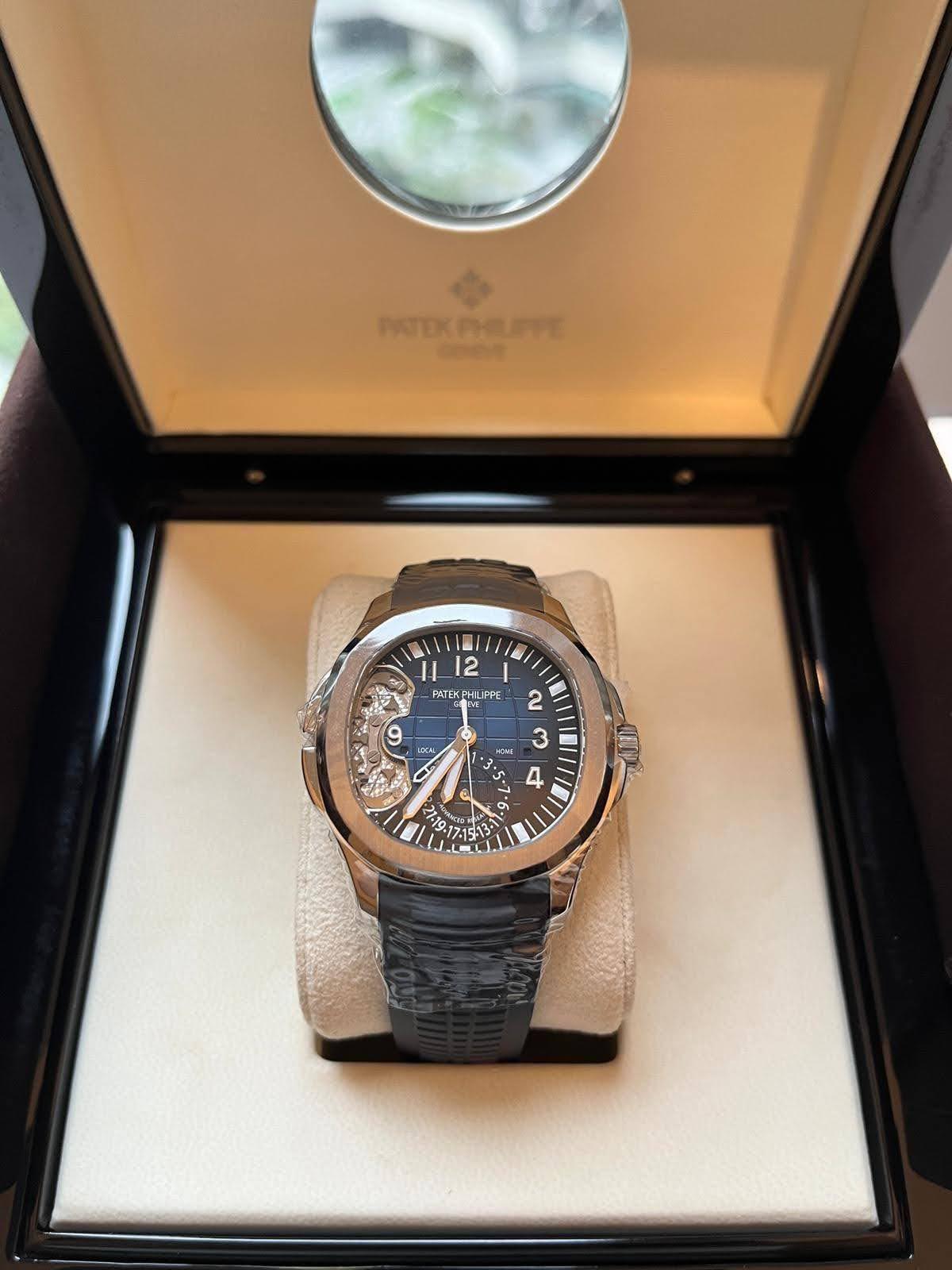
A prime example is the Ref. 5750G "Advanced Research" Minute Repeater introduced in 2021, which subverted centuries of traditional chime mechanics by introducing a mechanical loudspeaker system utilizing a sapphire crystal wafer and a free-floating lever. This is not the work of a brand resting on its laurels; it is aggressive, high-concept innovation.
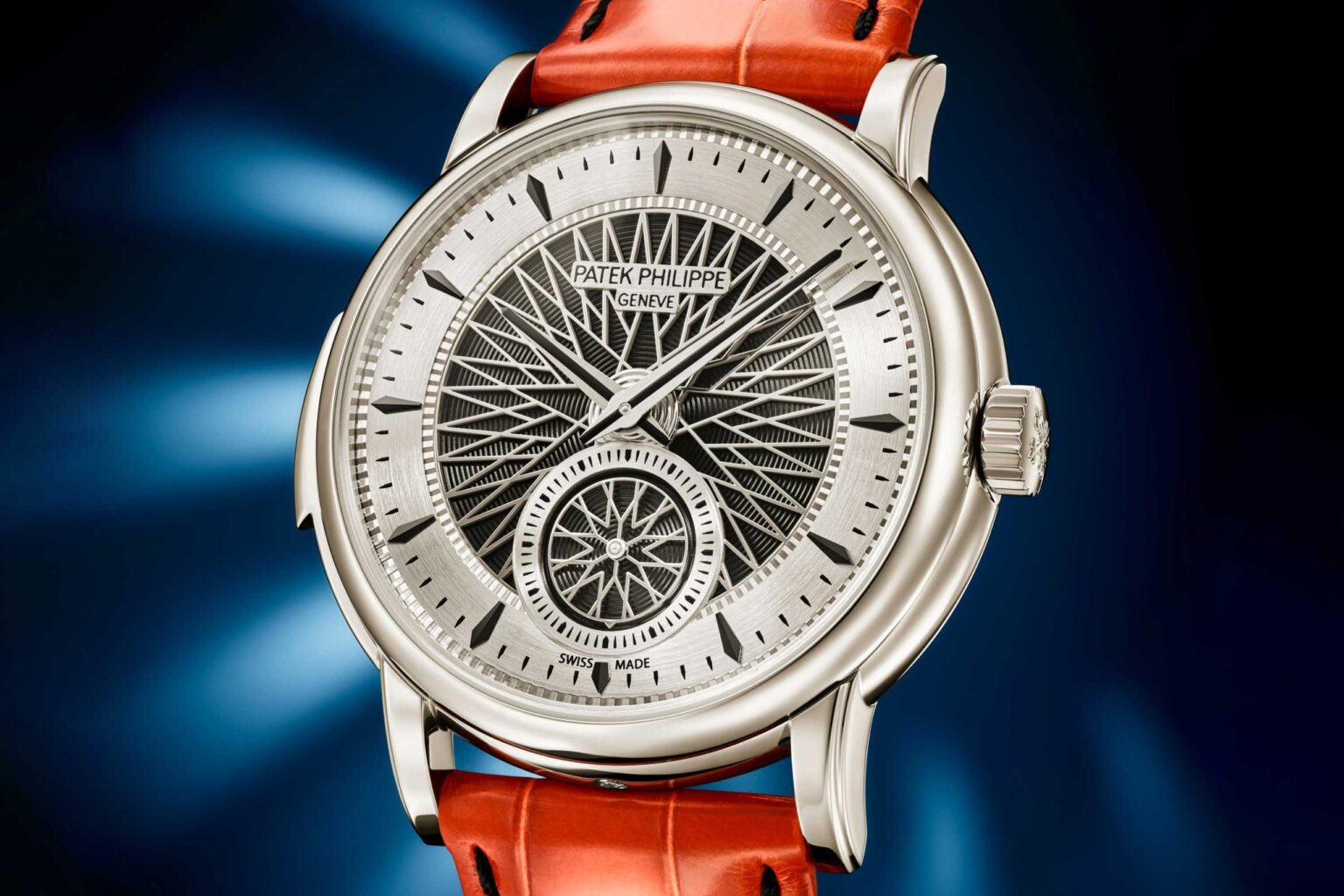
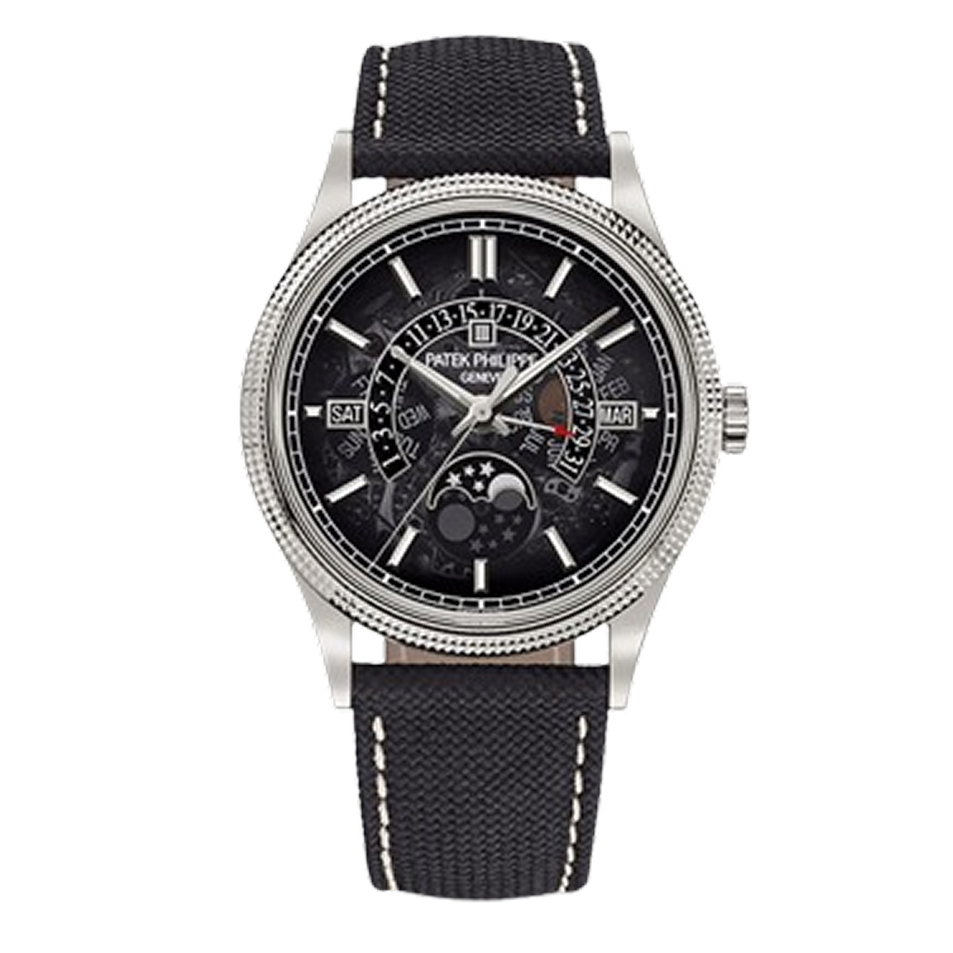
Furthermore, the true genius of the Advanced Research programme lies in its trickledown effect—the democratisation of avant-garde tech into regular production models. Consider the Annual Calendar Regulator Ref. 5235. A sleeper hit and arguably one of the most criminally undervalued pieces of the modern era, the Ref. 5235 was designed from the ground up to showcase the Calibre 31-260 REG QA. This movement was a direct beneficiary of Advanced Research breakthroughs, incorporating a high-tech Silinvar® ensemble: the Spiromax® balance spring, Pulsomax® escapement, and GyromaxSi® balance. By housing this ultra-modern, high-efficiency silicon assortment within an ultra-thin micro-rotor architecture, Thierry Stern proved that cutting-edge materials science could coexist with haute horlogerie. The market’s current hesitation to fully appreciate the Ref. 5235—and the broader Advanced Research lineage—reflects a short-sighted focus on traditional aesthetics at the expense of genuine mechanical evolution.
The Two Eras at a Glance
Philippe Stern era (1993-2009)
• Modified Lemania / Outsourced
• Sub-38mm, Neo-Vintage Proportions
• Highly Scarce / Auction Darlings
• Trading at High Market Premiums
Thierry Stern era (2009-Present)
• Fully In-House Calibres
• Assertive, Modern Case Profiles
• Silicon Integration & Advanced Research Innovations
• Advanced Horological Patents
• Temporarily Discounted Pre-Owned

From a purely technical, finishing, and manufacturing standpoint, a Thierry-era grand complication is objectively a superior, more robust, and more sophisticated timekeeper than its predecessor. To buy a Ref. 5270 at a 40% or 50% discount relative to its retail price means acquiring the absolute pinnacle of modern, in-house Patek Philippe engineering for the price of a standard, mass-produced luxury sports watch. It is a massive structural market inefficiency.
When not If: The Comeback of Thierry Stern-Era References
The secondary market can be initially cynical and inherently cyclical, fuelled by shifts in generational taste and value hunting. The Thierry Stern era is primed for a significant long-term valuation turnaround for several key reasons:
1. The Discontinuation Cycle
Every great Patek Philippe reference undergoes a predictable lifecycle: initial scepticism, production stabilisation, secondary market stagnation, discontinuation, and eventual canonisation. As early Thierry-era grand complications get phased out and replaced by references with even higher retail prices, the production numbers of these specific modern variants will lock into place. Collectors will look back at early 2010s in-house references as the genesis of Patek's modern mechanical supremacy.
2. Aesthetic Reclamation
While the current design ethos favours the ultra-thin, sub-37mm proportions of the 1990s, tastes are fluid. The bolder lugs, complex concave bezels, and complex dial dynamics characteristic of Thierry’s watches (like the architectural stepped lugs of the Ref. 5204) will inevitably be re-evaluated as masterpieces of 21st-century industrial design.
3. The Pure Value Proposition
Horological capital is smart; it flows where value resides. As Philippe Stern-era models climb to price points that price out all but the most elite institutional buyers, collectors seeking true high horology will pivot. The sheer absurdity of a world where an in-house, platinum perpetual calendar chronograph (Ref. 5270P) can be acquired for a similar market value as a discontinued steel sports watch cannot last indefinitely. The market will eventually correct this disparity.
The Verdict
The narrative that Thierry Stern’s Patek Philippe has sacrificed its soul to the gods of modern hype is a superficial reading of the market. While the brand certainly navigated the turbulent waters of 21st-century celebrity culture, its horological engine never stopped evolving.
The current discounting of Thierry-era grand complications is not a reflection of inferior craftsmanship, but rather a temporary market hangover from the sports watch craze and aggressive retail pricing strategies. For the forward-thinking collector, this era represents the ultimate contrarian play. The timepieces of the Thierry Stern era boast the mechanical superiority of in-house calibres, brilliant modern aesthetics, and the undeniable prestige of the Calatrava cross. They are, without question, the classics of tomorrow, currently hiding in plain sight.
Our sourcing service bridges the gap between accessibility and ownership. Whether you're curating a collection, seeking a Limited Edition/Piece Unique or a highly-anticipated new release, we have the fortunate position of being able to work within our network of relationships to turn dream pieces to reality. Always transparent, fully authenticated and trusted for over 25 years, SRK Haute Horologerie is privileged to hold its discreet position of building collections through trust.
FAQs
1. Why are Thierry Stern-era Patek Philippe watches trading below retail value?
Many Thierry Stern-era grand complications experienced secondary market corrections due to post-hype demand shifts, aggressive retail price increases, and collectors' preference for neo-vintage references from the Philippe Stern era.
2. What makes Thierry Stern-era Patek Philippe watches technically significant?
Thierry Stern introduced fully in-house grand complication calibres, patented chronograph innovations, silicon components, and Advanced Research technologies, marking one of the brand's most important periods of technical innovation.
3. Why do collectors highly value Philippe Stern-era Patek Philippe references?
Collectors appreciate Philippe Stern-era watches for their classic proportions, modified Lemania-based movements, lower production numbers, and strong neo-vintage appeal, which have driven consistent market appreciation.
4. Are Thierry Stern-era Patek Philippe grand complications a good long-term investment?
Many collectors believe these references are currently undervalued due to market cycles. Their in-house movements, advanced engineering, and future scarcity may support stronger long-term collectability and value appreciation.

.webp)